Antimicrobial resistance, or AMR, is already one of the world’s leading causes of death. In 2019, an estimated 1.27 million deaths globally were directly attributable to bacterial AMR, and without urgent action the annual toll could rise dramatically.
AMR is also a truly global health challenge in that it knows no borders: uncontrolled antimicrobial resistance in one country is a breeding ground for AMR among its neighbors and trading partners, and in turn all their connections. The local-to-global nature of AMR is one reason global health authorities are committed to supporting countries that may lack sufficient resources to tackle the problem.
In Bangladesh, for example, the burden is especially acute. In 2021, the country saw an estimated 23,500 deaths directly attributable to AMR and a further 96,900 deaths associated with AMR. The effects are felt not only in hospitals, but also on farms, in food systems, and in the wider economy.
Tackling AMR demands coordinated rather than isolated interventions. Above all, it requires institutions that can generate and use evidence, sectors that can work together, and systems strong enough to engage decisively over the long term. The U.K.-funded Fleming Fund Country Grant to Bangladesh (FFCGB), which recently came to a close after nearly six years of operation, sought to build such cross-sectoral capacity with the Government of Bangladesh.
FFCGB assisted the government to strengthen AMR surveillance through a One Health approach spanning human health, animal health, aquaculture, and the environment. It helped operationalize the National AMR Surveillance Strategy for 2025-2030, improve laboratory quality, strengthen data systems, and build the relationships needed to use surveillance data in a way that shapes practice, policy, and investment.
The Institutional Challenge
An effective, sustainable AMR response requires a strong health system capable of coordinated action. For example, a system may have data but no common platform to share or analyze it. It may have standards but no quality assurance. It may have surveillance results but no mechanism for changing prescribing behavior. In addition to its critical technical interventions—renovating labs, training staff, procuring equipment, establishing protocols, studying and reporting trends—FFCGB worked with Bangladeshi partners to strengthen this institutional architecture.
A clear lesson from the program was that standardization, clear roles, and institutional coordination are what allow a One Health approach to function in practice. Harmonized protocols, defined reporting pathways, and formal governance mechanisms helped make multisectoral coordination operational, while government leadership and alignment with national systems strengthened ownership and credibility.
Turning Fragmented Data into National Intelligence
One example is the One Health AMR dashboard. Before FFCGB, AMR data existed across sectors, but in a fragmented form. Public health laboratories in human health, animal health, aquaculture, and private laboratories were collecting information, yet their systems did not readily speak to one another, limiting comparison and delaying analysis. Policy makers could not easily see the whole picture. Cross-sector resistance patterns were harder to identify. Opportunities for early warning and coordinated response were often lost.
The dashboard helped change that. Led by the Dhaka-based Institute of Epidemiology, Disease Control and Research, with support from FFCGB, Bangladesh moved from siloed reporting toward a unified digital platform for AMR intelligence. By 2025, the system was drawing routine inputs from 42 labs and had consolidated more than 200,000 surveillance data entries.
The platform enabled standardization, interoperability, near-real-time visibility, and a shared evidence base across sectors. Facilitating antimicrobial stewardship, regulation, and AMR resource allocation, it also strengthened Bangladesh’s ability to meet its global reporting commitments.
A key takeaway is that data systems begin to change practice when they return information in forms that decision makers can act on. In Bangladesh, dashboards, technical reports, policy briefs, and facility-level feedback helped shift surveillance from a compliance exercise to a tool for planning, prescribing, and stewardship.
Building Trust in the Evidence
Surveillance systems are only as strong as the confidence decision makers place in the data. If antimicrobial susceptibility testing varies widely across facilities, or if results cannot be compared over time and across locations, then the evidence base for action remains fragile. Bangladesh lacked a national proficiency testing mechanism to verify whether results were accurate and comparable.
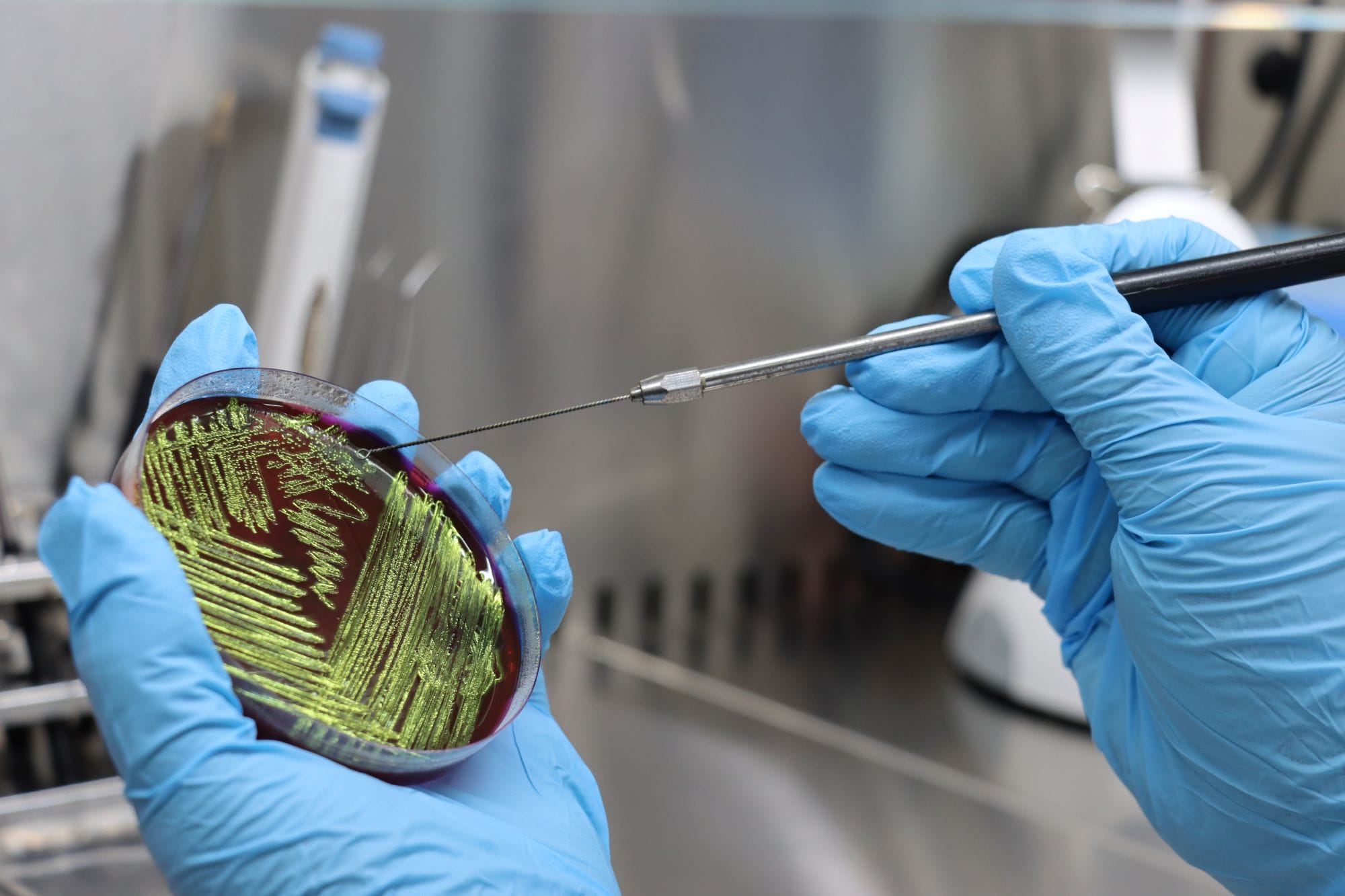
The National External Quality Assessment Scheme, or NEQAS, addressed that challenge by helping national reference labs in human health and animal health, establish a sustainable proficiency testing platform. With support from FFCGB and specifically the Liverpool School of Tropical Medicine, Bangladeshi scientists built the capacity to design and produce blinded testing panels, develop standard operating procedures, set scoring criteria, and create feedback loops for corrective action. The result was better data quality, stronger laboratory governance, reduced dependence on external providers, and a pathway toward accreditation and sustained performance improvement.
Strengthening Animal Health Surveillance
AMR in Bangladesh is not confined to hospitals. Widespread and often unregulated antibiotic use in livestock and poultry has accelerated the emergence of resistant bacteria, threatening animal productivity, food security, and public health. Before FFCGB, surveillance in the animal health sector was limited and uneven. Farmers often selected antibiotics based on habit, availability, or informal advice. Laboratories responded to disease outbreaks, but their work did not always feed a standard system for monitoring resistance trends. Critically important antimicrobials were sometimes used even where resistance was already high.
FFCGB strengthened a national network that included reference labs, field disease investigation labs, a poultry research and training center, and later private labs. It supported lab upgrades, protocol standardization, and technical mentoring. As more reliable evidence became available, veterinarians increasingly used antimicrobial susceptibility testing to guide treatment, and farmers gained clearer signals about which drugs were losing effectiveness and which needed to be preserved.
This development reflects a broader lesson from the program: when data are standardized, routinely reviewed, and connected to sector-specific decisions, they begin to influence behavior.
Bringing the Environment Into View
Environmental surveillance is another important aspect of FFCGB. AMR discussions still too often treat the environment as peripheral. But wastewater, surface water, and wet markets can act as reservoirs and transmission pathways for resistant organisms. If these pathways are not monitored, important risks remain invisible.
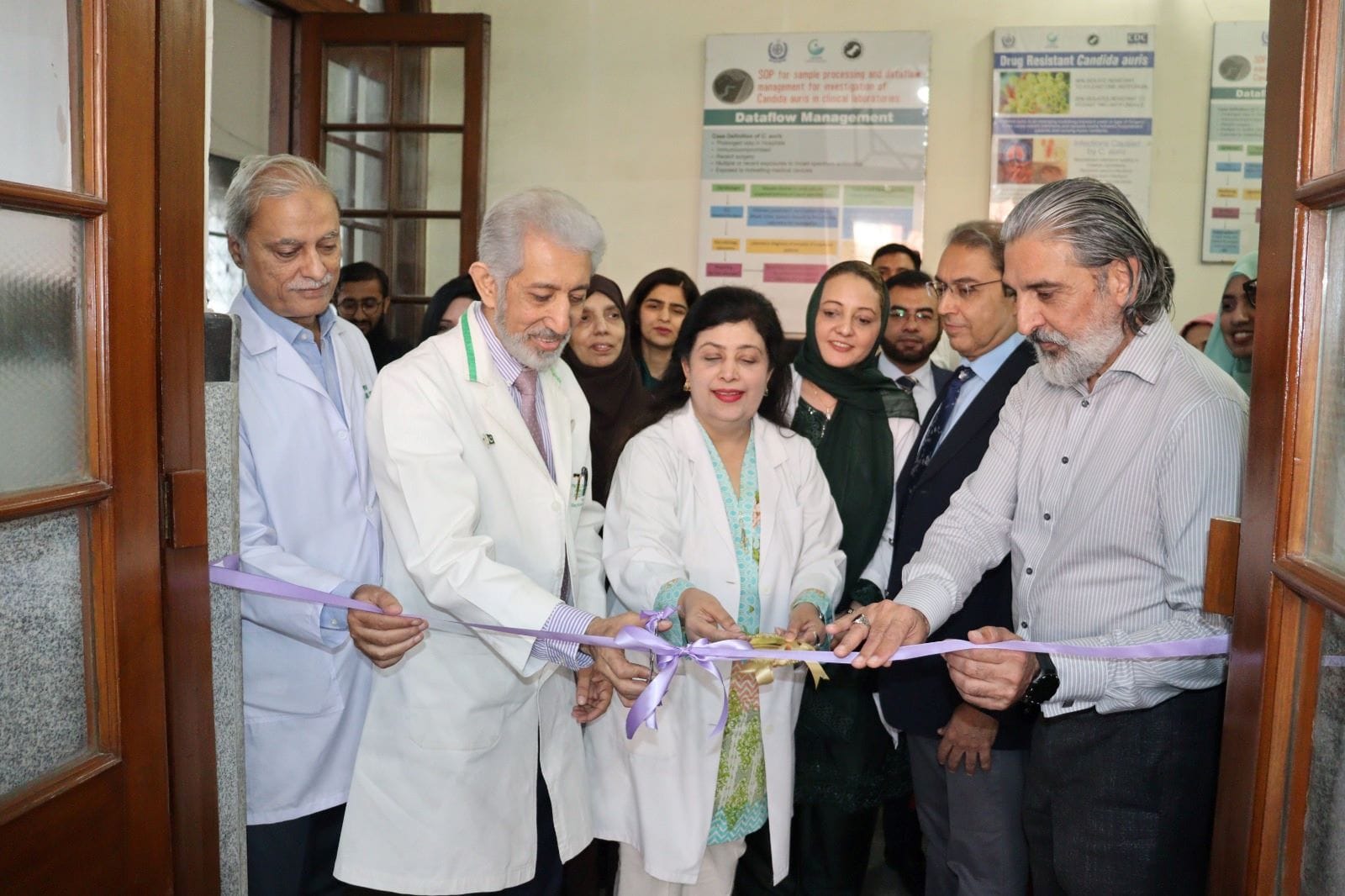
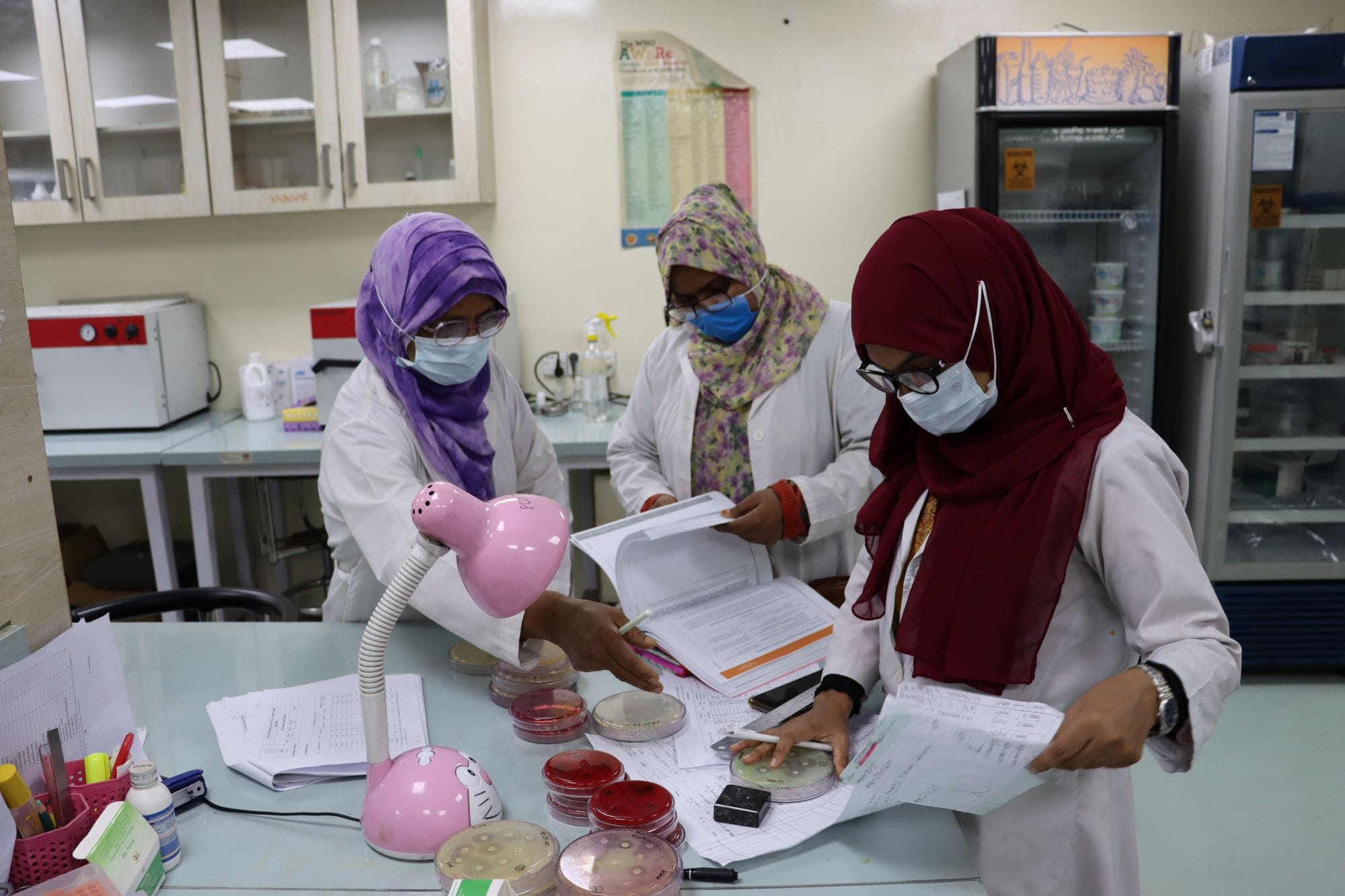
With support from FFCGB, Bangladesh established environmental AMR surveillance as a formal part of its national strategy. The microbiology lab at the Institute of Public Health was upgraded to function as the environmental sentinel site, with oversight from the Institute of Epidemiology, Disease Control and Research. FFCGB supported staff training in sampling, microbiological procedures, antimicrobial susceptibility testing, and data handling, and helped establish protocols to collect samples from hospital and community wastewater, wet markets, and rivers.
As a result, Bangladesh is now able to consider environmental signals alongside human and animal data, thereby strengthening its risk assessment ability and informing policy responses on wastewater management, infection prevention, and antimicrobial stewardship.
Moving AMR Surveillance Closer to Clinical Practice
Perhaps the most important lesson from FFCGB is that surveillance alone is not enough.
Data do not change outcomes unless institutions know how to use them. In Bangladesh’s hospitals, that challenge was visible in prescribing patterns. Around 80 percent of hospitalized patients were receiving at least one antibiotic. Sixty-three percent of prescriptions fell into the World Health Organization’s Watch category, which carries higher resistance potential. Third-generation cephalosporins accounted for 42 percent of prescriptions, which is a problem because overuse of these broad-spectrum antibiotics drives the selection and spread of resistant strains.
Bangladesh’s laboratories were producing annual antibiograms—summarized reports showing the susceptibility of bacterial pathogens from a given area or facility, used to guide antibiotic practices—but clinicians were too often prescribing without sustained engagement with microbiology teams. There was little connection between evidence and care.
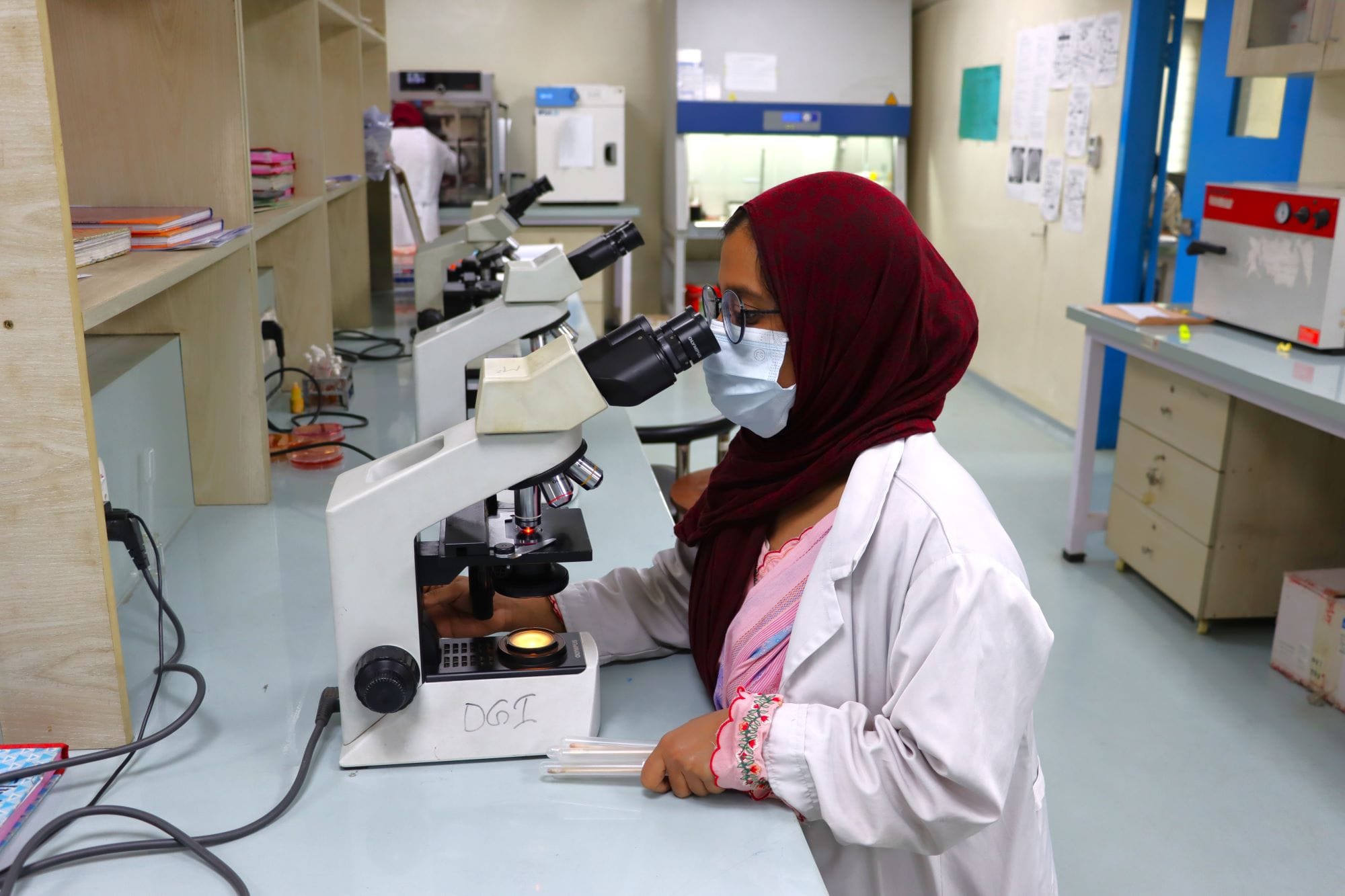
FFCGB responded with clinical engagement workshops across eight tertiary medical colleges, bringing together clinicians, microbiologists, pharmacists, infection prevention and control staff, and hospital administrators. More than 1,000 people took part. The workshops focused on antimicrobial stewardship, diagnostic stewardship, local AMR data, and the use of antibiograms in prescribing decisions. They were paired with broader support to upgrade 21 public microbiology labs, train 2,200 technical staff, and integrate private labs into the national surveillance system.
Hospitals in turn committed to establishing or strengthening antimicrobial stewardship committees, carrying out prescription audits, promoting specimen collection before antibiotics were started, and improving communication between labs and clinicians. Sample throughput in sentinel laboratories doubled, suggesting growing clinical trust. In at least two medical colleges, clinicians began routinely consulting microbiologists on multidrug-resistant and extensively drug-resistant cases.
This dynamic embodies one of FFCGB’s clearest lessons: ownership grows when institutions can see the practical benefit of their own data. In Bangladesh, facility-level feedback and data use in clinical and veterinary settings helped move surveillance from passive reporting toward active decision making.
Government Ownership, by Design
FFCGB’s experience reaffirms the precept that sustainability is strongest when activities are designed to sit within government mandates, budgets, and institutional roles, rather than alongside them. Government ownership, alignment with national strategies, and integration into routine systems all increase the likelihood that progress will endure.
By that measure, Bangladesh today has important assets to build on: a national AMR surveillance strategy, stronger reference and sentinel laboratories, an integrated One Health dashboard, a functioning external quality assurance scheme, environmental surveillance embedded within the national architecture, wider clinical engagement, and a clearer basis for government-led financing and oversight.
Between November 2025 and January 2026, FFCGB convened a series of engagements to plan for sustainability under a One Health framework. These included an in-person workshop with national stakeholders, a high-level policy meeting on AMR sustainability, and a virtual session highlighting success across regional grantees. The focus was on prioritizing the investments needed to sustain surveillance strategies, lab operations, workforce development, data systems, and multisectoral governance. The goal is clear: a government-led AMR response aligned with broader health security priorities.
There is still much to do in Bangladesh, as there is everywhere. AMR continues to evolve. Infection prevention and control gaps persist. Lab accreditation and programmatic clinical engagement and stewardship are critical. But Bangladesh—now better equipped to respond with stronger institutions, better data, and more connected decision making—offers a practical example of what investment in AMR can achieve when the aim is to strengthen the systems that must carry the work forward.