Agricultural market systems in refugee settlements have long been shaped by poor infrastructure and weak input supply chains, compounded by short-term humanitarian responses that often crowd out local providers and limit private sector engagement.
The SMILES project challenges this status quo by encouraging companies to test and refine models better suited to refugee contexts. Using an integrated Graduation Approach and Market Systems Development framework, SMILES supported three agribusinesses to pilot, learn from, and evolve their models to serve refugee and host community farmers in western Uganda’s Kyaka II and Kyangwali settlements.
Working with GrainPulse, Okeba, and East-West Seed Knowledge Transfer (EWS-KT) made one thing clear: adaptive business models can thrive in challenging environments through processes rooted in continuous listening and learning alongside the communities served.

GrainPulse: Aligning a Structured Maize Model to Local Realities
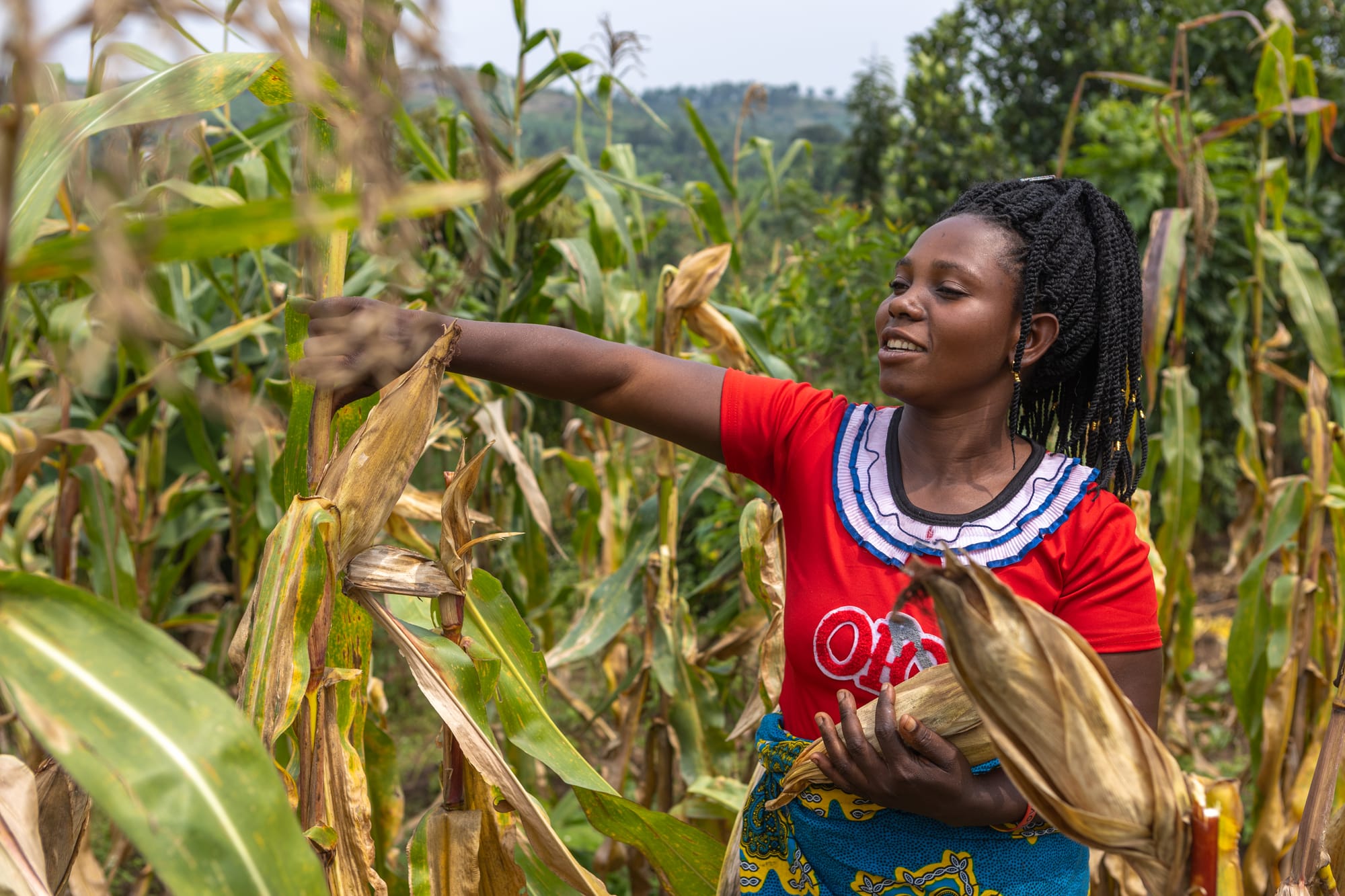
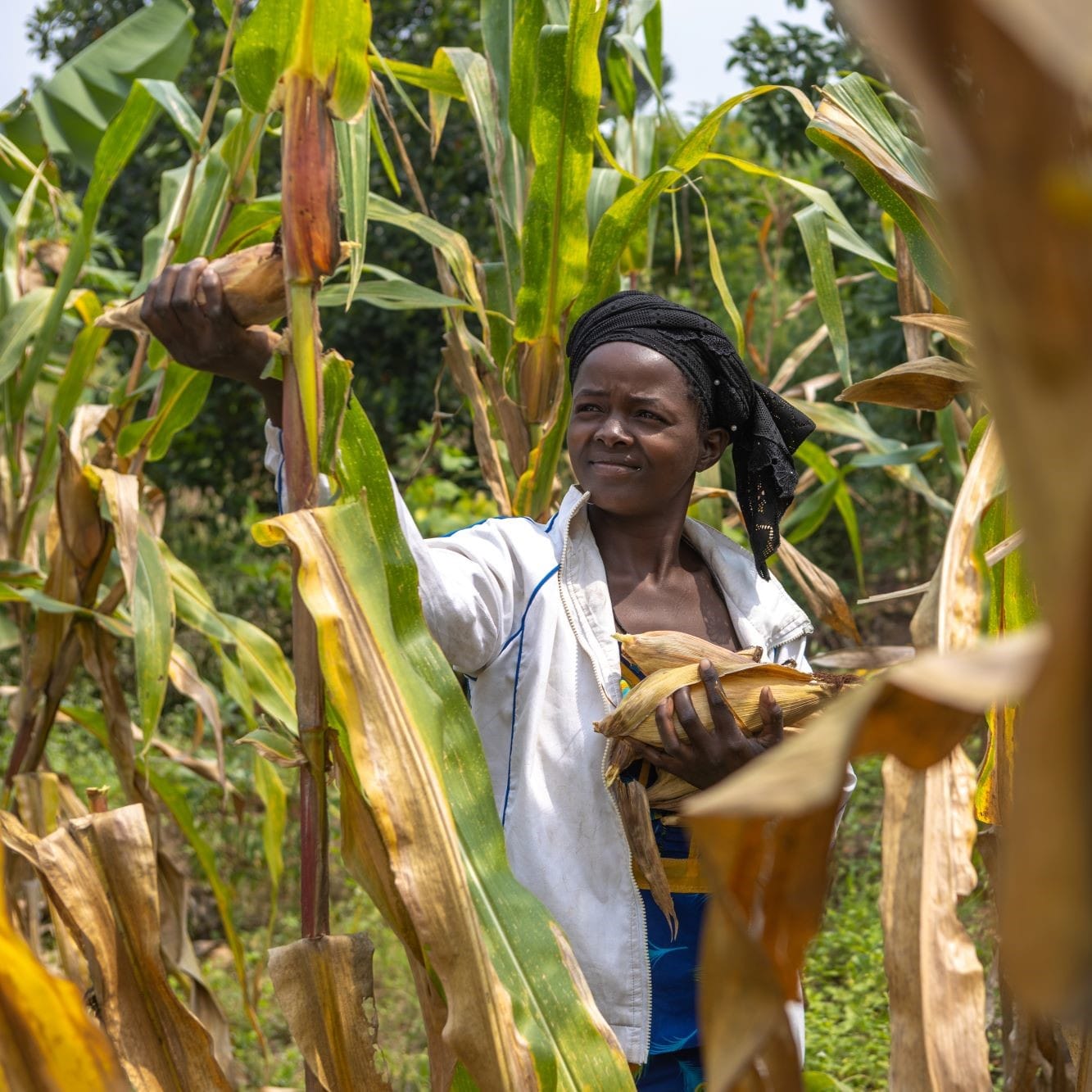
GrainPulse entered Kyaka II and Kyangwali with a model proven in other regions of Uganda. The company builds local input hubs and partners with village agents and agro-input dealers to promote good agricultural practices that support structured aggregation, an organized way of collecting produce from many smallholder farmers to reduce losses and connect them to reliable markets.
A key feature of the GrainPulse model is buying maize in cob form to reduce losses associated with poor drying and storage. While this has delivered consistent volumes and higher quality grain elsewhere, its introduction in Kyaka II and Kyangwali surfaced strong resistance. Many farmers preferred to retain maize cobs as a household fuel source, and there was limited trust that the lower per-volume price under the cob model would translate into higher overall profits. These concerns were compounded by competition from local traders offering advance payments before harvest. Although attractive in the short term, these informal arrangements often drew farmers away from structured aggregation just as crops matured, making it difficult for GrainPulse to guarantee volume and consistency.
In response, GrainPulse undertook a strategic realignment in refugee and host communities, shifting from a transactional input supplier to an embedded service partner, which meant:
- Addressing low community trust by investing in sustained relationship-building and recruiting credible “Master Agents” from within refugee and host communities.
- Intensifying farmer support to address low uptake of good agricultural practices and boost yields through regular field demonstrations, closer supervision, and hands-on training.
- Improving affordability by reducing fertilizer stock-keeping units and introducing 10kg blended bags suited to farmers with limited cash flow.
- Expanding partnerships with agro-vets, traders, and input suppliers to create a more integrated service system that improves input access and aggregation pathways.
- Reducing geographic and transport barriers through bulk order aggregation and farm-gate delivery.
- Strengthening last-mile delivery and engagement by increasing field support staff, particularly village agents, and investing in additional “tuk-tuks” (auto-powered rickshaws) for input delivery and produce aggregation.
By rooting its model in local relationships, trusted intermediaries, and practical service delivery, GrainPulse demonstrates how business approaches can adapt to contexts where informal systems and relationships strongly shape market behavior.
Okeba: Incentivizing Local Entrepreneurs to Lead Service Delivery
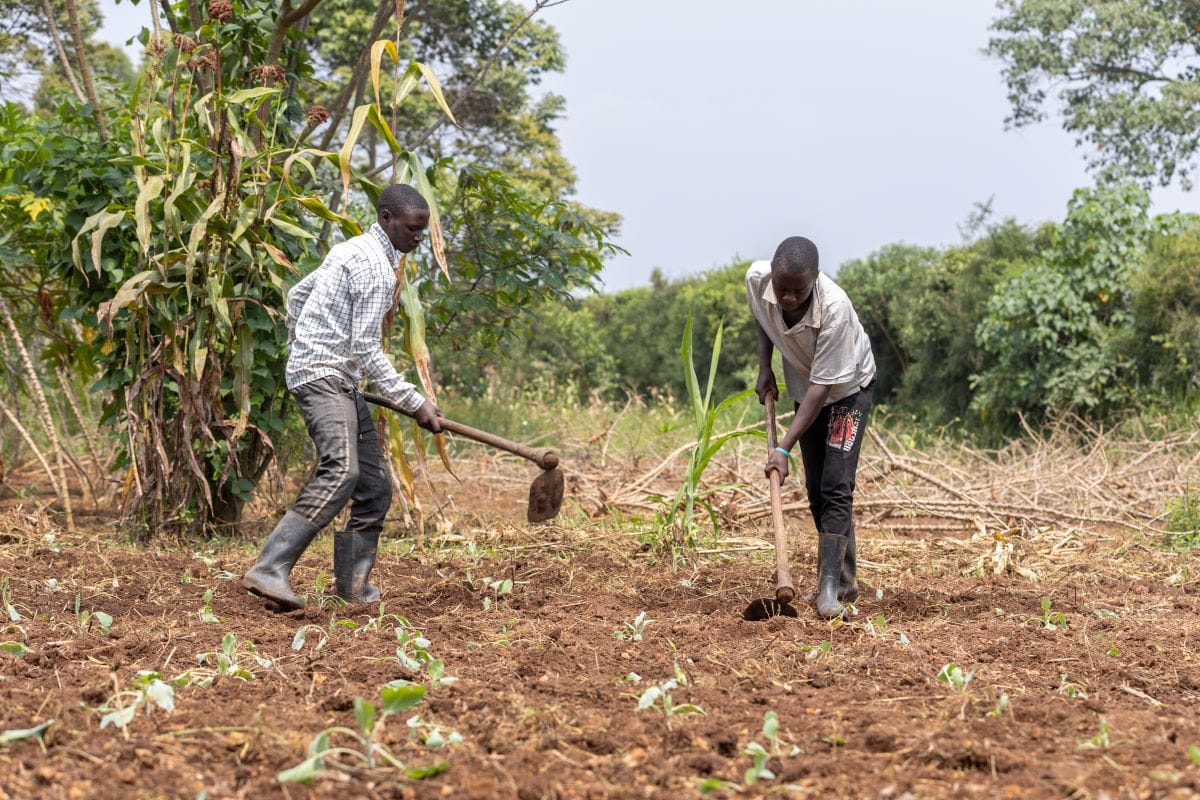
Okeba operates in the bean and soya value chains, offering a buy-back model similar to GrainPulse but with a distinct focus on local human capital to create a decentralized service system. The company piloted a hybrid incentive system for Local Market Facilitators (LMFs) to address motivation and retention challenges that emerged from a purely performance-based volunteer model in communities accustomed to NGO stipends. The hybrid approach combined modest fixed payments with performance-based incentives.
LMFs’ impact was further strengthened through training in entrepreneurship, business planning, and post-harvest handling, alongside agronomic best practices. This training regime positioned LMFs as independent service providers within the local market system and helped shift their role from passive intermediaries to entrepreneurial actors who could influence behavior and connect farmers to structured markets.
To improve last-mile delivery in remote locations with unreliable transport and limited space for permanent retail outlets, Okeba established low-cost input kiosks within refugee settlements and host communities and invested in tuk-tuks for input delivery and produce aggregation. Unlike larger agro-input shops, the kiosks required minimal land and upfront investment, allowing Okeba to test demand while extending reach into underserved areas where formal agro-dealer networks are often absent. The kiosks stocked Okeba’s products alongside other commonly used inputs, increasing farmer choice and trust, while tuk-tuks reduced transportation costs and improved reliability across the service network.
With 126 LMFs recruited from the local community, Okeba’s model supported farmers throughout the planting and harvesting cycle and strengthened links between farmers and formal markets.
East-West Seed Knowledge Transfer: Working Through Trusted Local Actors
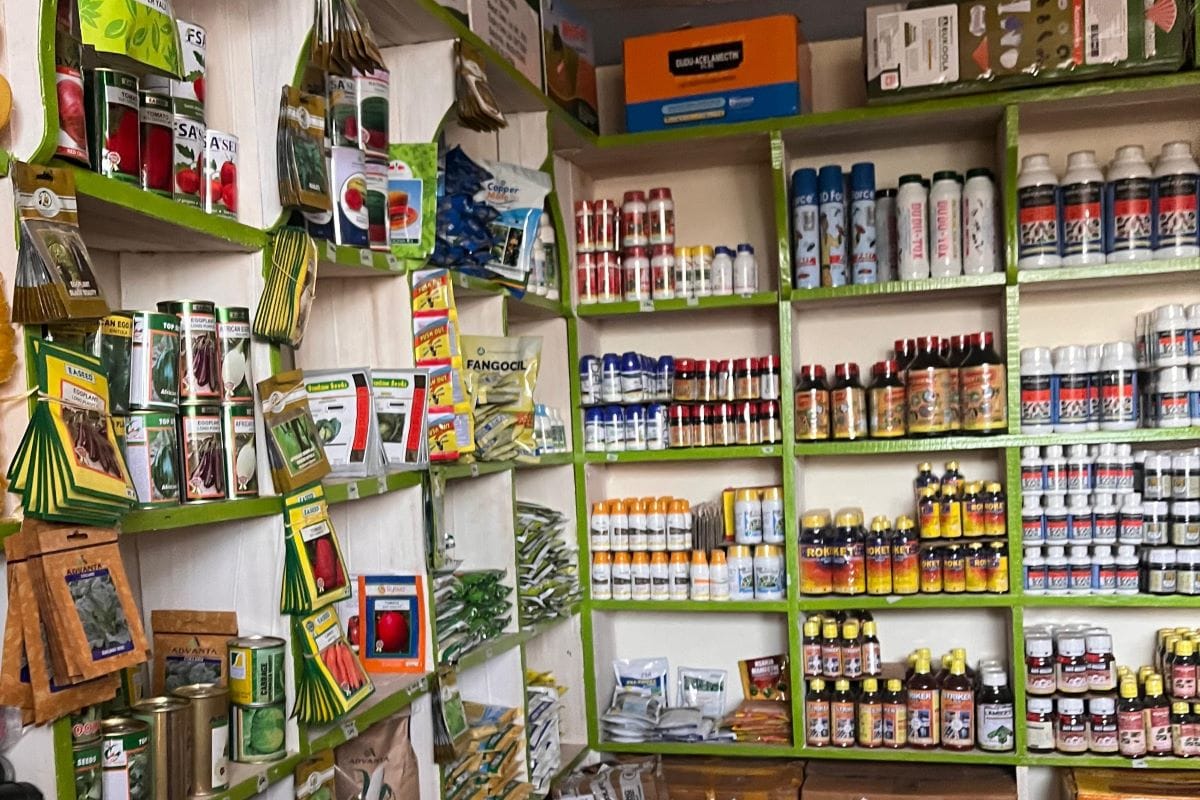
East-West Seed Knowledge Transfer (EWS-KT) is the non-profit foundation of East-West Seed International, which sells improved vegetable seeds. EWS-KT focused on building the capacity of local agro-dealers to bridge supply, knowledge, and trust, recognizing the importance of working through businesses already established in refugee settlements and host communities. Starting with four partner agro-dealers, EWS-KT strengthened seed-handling practices, linked dealers to certified suppliers, and supported seasonal demonstration plots and targeted advertising so farmers knew where to find quality seeds and reliable information. By working through trusted agro-input dealers, EWS-KT quickly built credibility while keeping operational costs low, allowing greater focus on capacity-building and demand generation.
To build on early successes and address implementation challenges, EWS-KT adapted its model by:
- Mapping crops to micro-ecosystems to ensure promoted varieties aligned with local agro-ecological conditions, which in turn strengthened farmer confidence.
- Engaging agro-dealers in demonstrations and training to deepen technical knowledge, increase farmers’ awareness of where to access EWS-KT seeds, and enable dealers to provide practical guidance on proper input use.
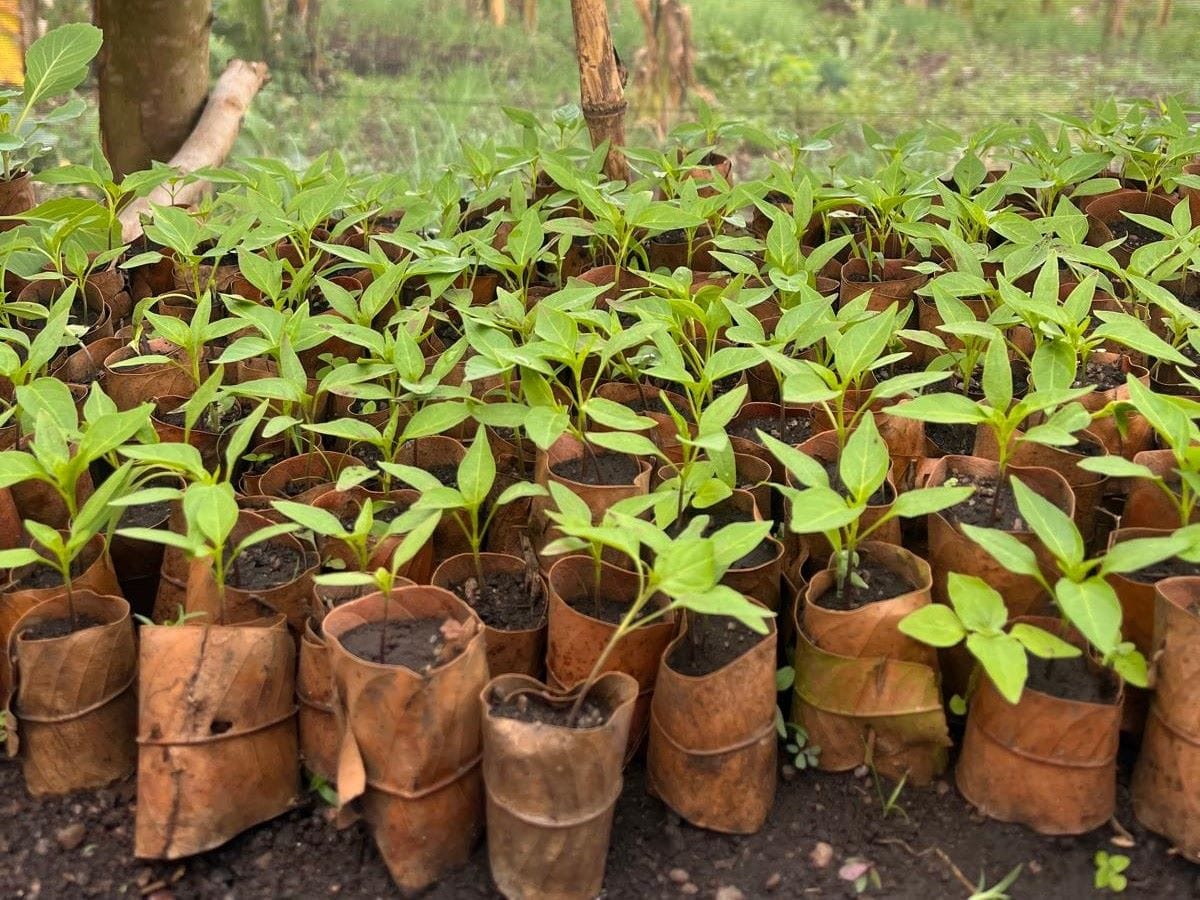
- Improving affordability for high-demand crops by working with entrepreneurial farmers to establish seedling production centers that allow farmers to purchase in small, affordable quantities and improve crop establishment, since seedlings are less likely to be washed out by heavy rain than direct sowing.
- Promoting group purchasing to help farmers share the cost of seed packs.
- Expanding the agro-dealer network from four to 19 partners, thereby broadening geographic coverage and enabling farmers across refugee and host communities to access certified seeds closer to home.
Through these adaptations, EWS-KT reinforced agro-dealers’ role as reliable sources of both high-quality inputs and practical agronomic advice.
What It Takes to Adapt in Fragile Markets
The experience of these three companies highlights what it takes to succeed in refugee and host community markets:
- Adaptation was the strategy. Companies experimented, listened to communities, and adjusted quickly—from smaller fertilizer packs to revised incentive structures. Models evolved through continuous learning.
- Trust is often more valuable than price. Farmers chose to work with people they knew as credible intermediaries and sustained engagement helped build legitimacy and adoption.
- Affordability is about more than price. Limited cash flow shaped how households bought and used inputs. Smaller pack sizes, group purchases, farm-gate delivery, and bundled support reduced barriers to participation.
SMILES demonstrates how private sector investment can advance humanitarian goals by expanding economic participation for refugees and host communities. With targeted de-risking and a commitment to learning alongside communities, businesses can refine models that deliver value for farmers and create viable commercial opportunities in challenging environments.